



Table of Contents
Residents of the Town of Caledon are now required to obtain a Tree Permit for the removal, injury or destruction of privately-owned trees that are 30 cm (12 inches) in diameter or greater. Most municipalities and towns in southern Ontario already have tree protection by-laws in place; the new Caledon by-law will align the town with its goal of protecting and enhancing tree canopy. Trees produce the oxygen we need to breathe, filter the air, regulate our climate, prevent water runoff and soil erosion, provide wildlife habitat, improve human health, and the list goes on.
Caledon’s new Tree Preservation By-law (2025-101) came into full force and effect on January 1, 2026. As some conditions apply, we have compiled a summary of everything you need to know to be compliant.
What Trees Require a Tree Permit?
This new By-Law applies to all private property within the Town of Caledon, including residential and commercial property. However, only trees that are greater than or equal to 30 cm in diameter at breast height are subject to this new by-law. The by-law does not apply to development projects, agricultural operations (including tree farms) or forestry development lands or trees protected under the Woodlands Conservation by-law.
How Do I Know If My Tree is 30 cm?

In the landscape, tree diameter is measured at 1.37 meters (4.49 ft) from the ground, known as “breast height” in the industry. Arborists will use a tree diameter tape to accurately measure the diameter at breast height (DBH). The birch tree in the above photo has a DBH of just over 24 cm. In lieu of a diameter tape, you can measure the circumference of the trunk at 1.37 meters from the ground. If the circumference measures 94.25 cm or greater, the diameter is 30 cm, and the tree would fall under the new bylaw.
Are There Exemptions for Sick or Dead Trees?
The Destruction or Injury of a Tree is exempt from the requirement for a Permit under this By-Law if the Tree is:
- A Tree having no living tissue or having 70% or more of its crown dead. The Inspector may require an Arborist’s certificate confirming the justification for Destruction or Injury in accordance with this provision. If such a certificate is required by the Inspector, no Person shall Destroy or Injure the Tree prior to the Inspector receiving the certificate;
- A Hazardous Tree. The Inspector may require an Arborist’s certificate confirming the justification for Destruction or Injury in accordance with this provision. If such certificate is required by the Inspector, no Person shall Destroy or Injure the Tree prior to the Inspector receiving the certificate;
- A Tree that is Destroyed or Injured as part of Emergency Work;
- A Tree located on a rooftop or elevated podium, or in interior courtyards or solariums;
- A Tree growing in contaminated soil and, by its presence, preventing remediation of the contaminated soil, provided a remedial action and mitigation plan is prepared by a qualified person and in accordance with 0. Reg. 153/04 (as amended) or relevant standard industry practices to the satisfaction of the Town and/or the Ministry of the Environment, Conservation and Parks is submitted to an Inspector prior to the Destruction or Injury of a Tree;
- A Tree that is required to be Destroyed or Injured by a Property Standards Order issued under the Building Code Act; or
- A Tree that will be Destroyed or Injured in accordance with the conditions of a Development Permit granted under the Niagara Escarpment Planning and Development Act, R.S.O. 1990, c. N.2.
How Do I Apply For A Tree Permit?
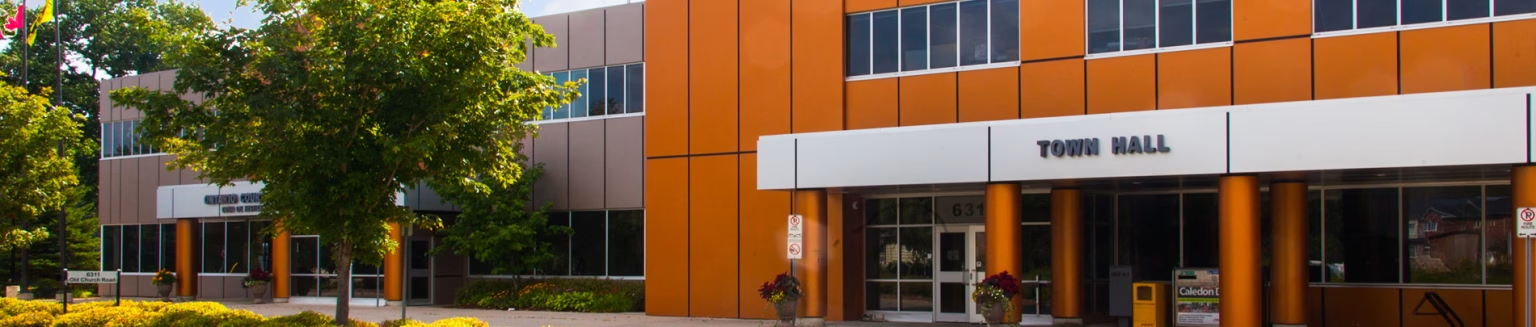
Tree Permit Applications are available online on the Town of Caledon Website, Permit Application for the Injury or Destruction of Non-woodland Trees.
The Town of Caledon requires the following information on each tree:
- the common name (e.g. sugar maple, white pine, etc.);
- the scientific name if you know it (e.g. Acer saccharum, Pinus strobus);
- the DBH (diameter at breast height) measured at 1.37 m above ground, reported in cm;
- the condition of the tree; the action to be taken (e.g. injuring or removing the tree);
- and whether the tree trunk is shared between properties;
- a plan, sketch or aerial image showing the location(s) of the tree(s) to be removed.
If you are not the registered property owner and/or share a tree with a neighbour (i.e. the trunk of the tree is on the property line), you will need to obtain consent from these parties before submitting the application form. After an application for tree removal has been submitted, Town of Caledon inspector will come out to your property to inspect the tree and verify the information you provided in the application.
How Much Will The Permit Cost?
As of January, 2026, there is no Town of Caledon application fee associated with tree permits under this new By-law.
When do I need to Hire An Arborist for a Tree Permit?

The town may request an Arborist Opinion or an Arborist Report if deemed necessary (e.g. health status is unclear). You may also require the assistance of an Arborist to fill out the application (e.g. tree species, diameter).
What If I Have Questions?
If you are unsure as to whether your tree requires a permit, please contact the Town of Caledon before you injure or remove it. Dial 311 from within Caledon or email them at [email protected].
We are here for you. Locally owned and operated in Caledon, Beautiful Trees Inc. is here to help you with all your tree care and tree protection needs. Contact Us if you have any questions or if you would like a free consultation for tree work.
FAQ
Do I need a tree removal permit in Caledon?
Yes—Caledon’s Tree Preservation By-law (2025-101) generally requires a permit to remove, injure, or destroy private trees 30 cm+ DBH. If you want help confirming size/species and next steps, Beautiful Trees can assist with an on-site assessment and permit support.
How do I measure DBH to see if my tree is 30 cm?
Measure circumference at 1.37 m above grade; 94.25 cm+ is roughly 30 cm DBH. If you’d like a precise measurement and tree ID from an ISA Certified Arborist contact us.
Are dead, hazardous, or storm-damaged trees exempt?
Some exemptions may apply, but the Town can require an arborist certificate before removal. Beautiful Trees can assess risk and document condition where needed such as Emergency Tree Services and more.
How do I apply for a Caledon tree removal permit?
You’ll need species, DBH, condition, action requested, shared-tree consent (if applicable), and a location sketch/aerial image. If you want help preparing the application details, start here with a free quote.
When do I need to hire an arborist for a Caledon tree permit?
You may need an arborist if the Town requests an Arborist Opinion/Report, if the tree’s health or hazard status is unclear, or if you need help confirming species and DBH for the application. Beautiful Trees’ ISA Certified Arborists can assess the tree and provide documentation when required.
Can Beautiful Trees help with tree removal after the permit is approved?
Yes. Once your permit is approved (or if an exemption applies), Beautiful Trees can complete the work safely and professionally, including pruning or removals as needed. Request a free quote here for Professional Tree Removal.
More Blogs

Caledon Tree Removal Permit: New 2026 By-law Guide
Caledon’s Tree Preservation By-law (2025-101) is now in effect. Learn which private trees need a removal permit (30 cm+ DBH), key exemptions, and how to apply.
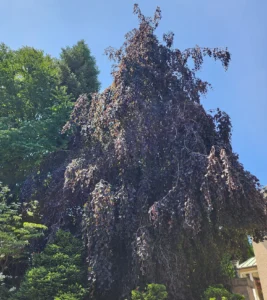
Beech Leaf Disease in Ontario: Your Guide to Signs, Risks & Treatment Options
Beech Leaf Disease is spreading in Ontario, threatening native and ornamental beech trees. Learn how to identify BLD, what to do if you spot symptoms, and what treatment options are available to protect your property’s trees.
Plant Your Trees Like a Pro: Tips from the Experts at Beautiful Trees
Discover professional tree planting tips from certified arborists Jen Llewellyn and Johl Anderson on the Beautiful Trees podcast. Get step-by-step guidance for planting trees that thrive in Ontario’s landscape.