Caledon Tree Removal Permit: New 2026 By-law Guide
Caledon’s Tree Preservation By-law (2025-101) is now in effect. Learn which private trees need a removal permit (30 cm+ DBH), key exemptions, and how to apply.

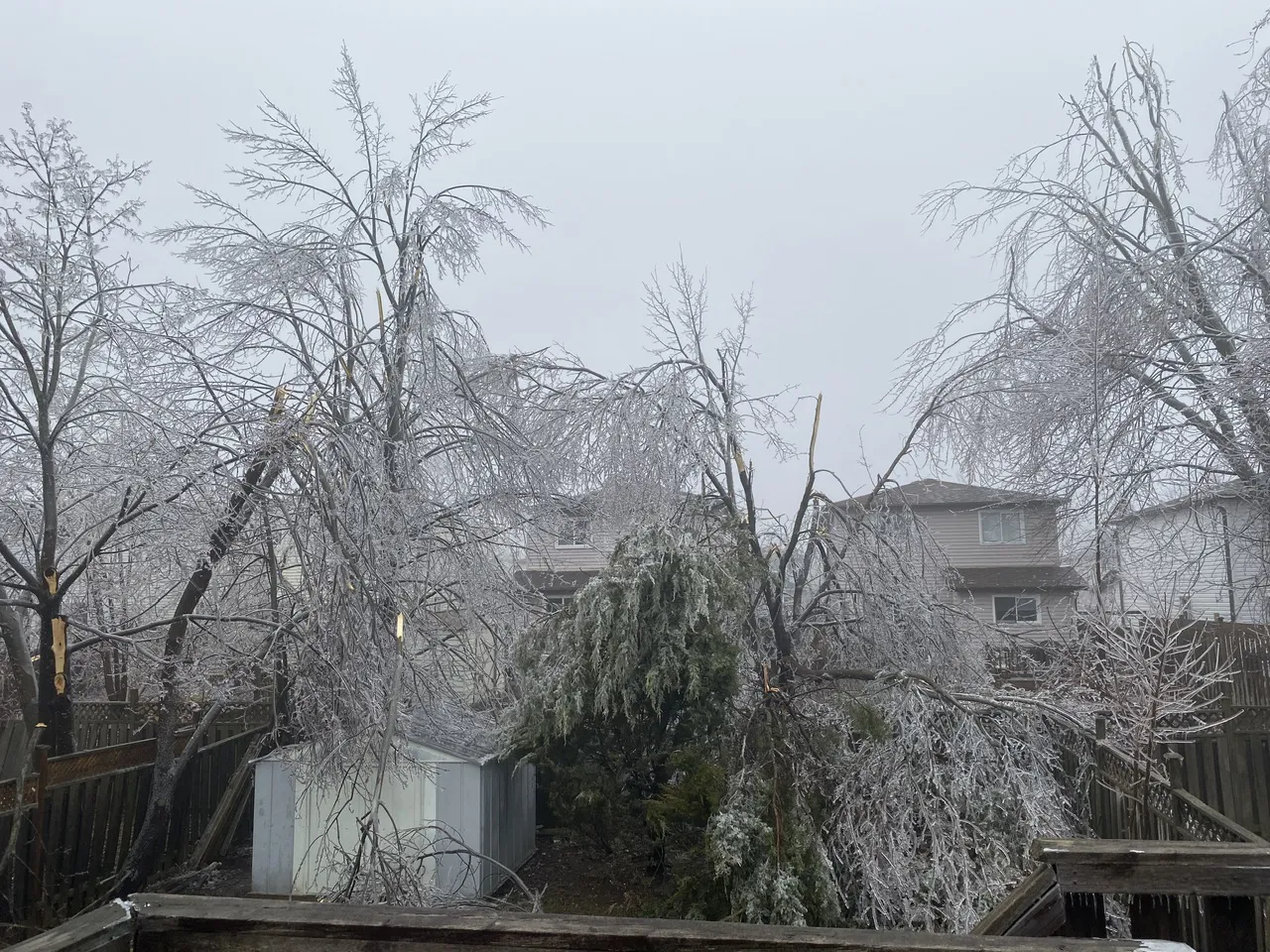
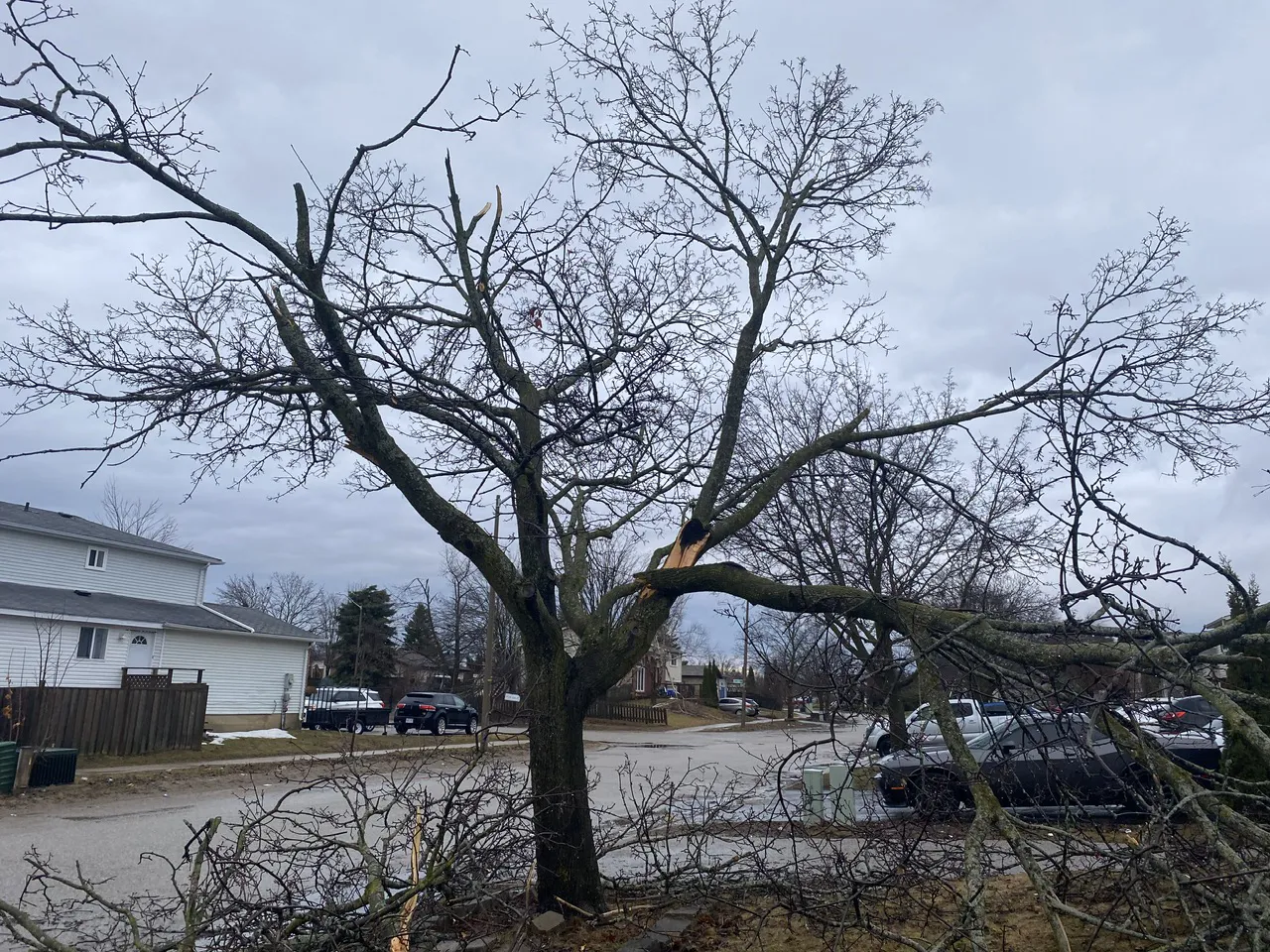
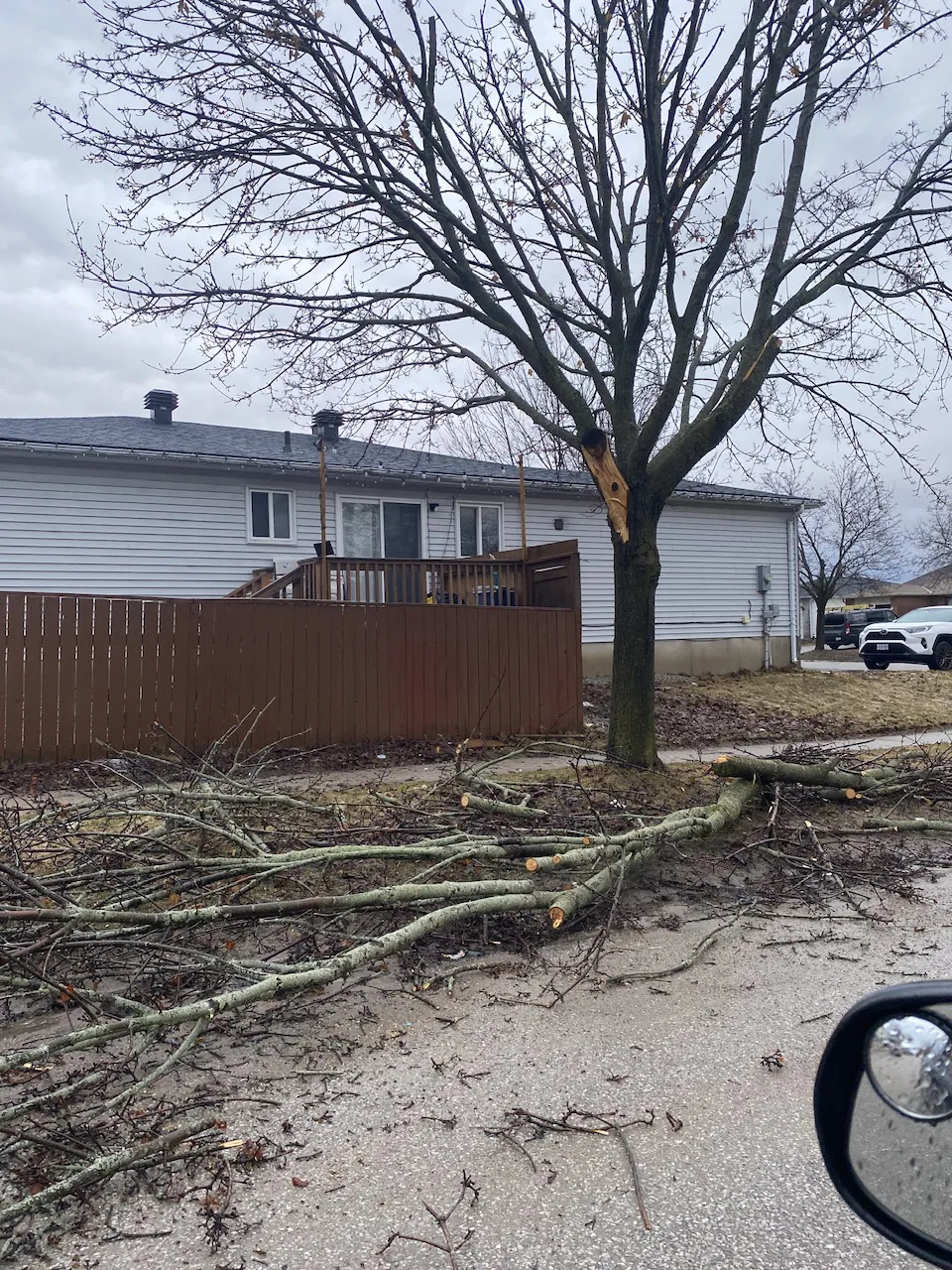
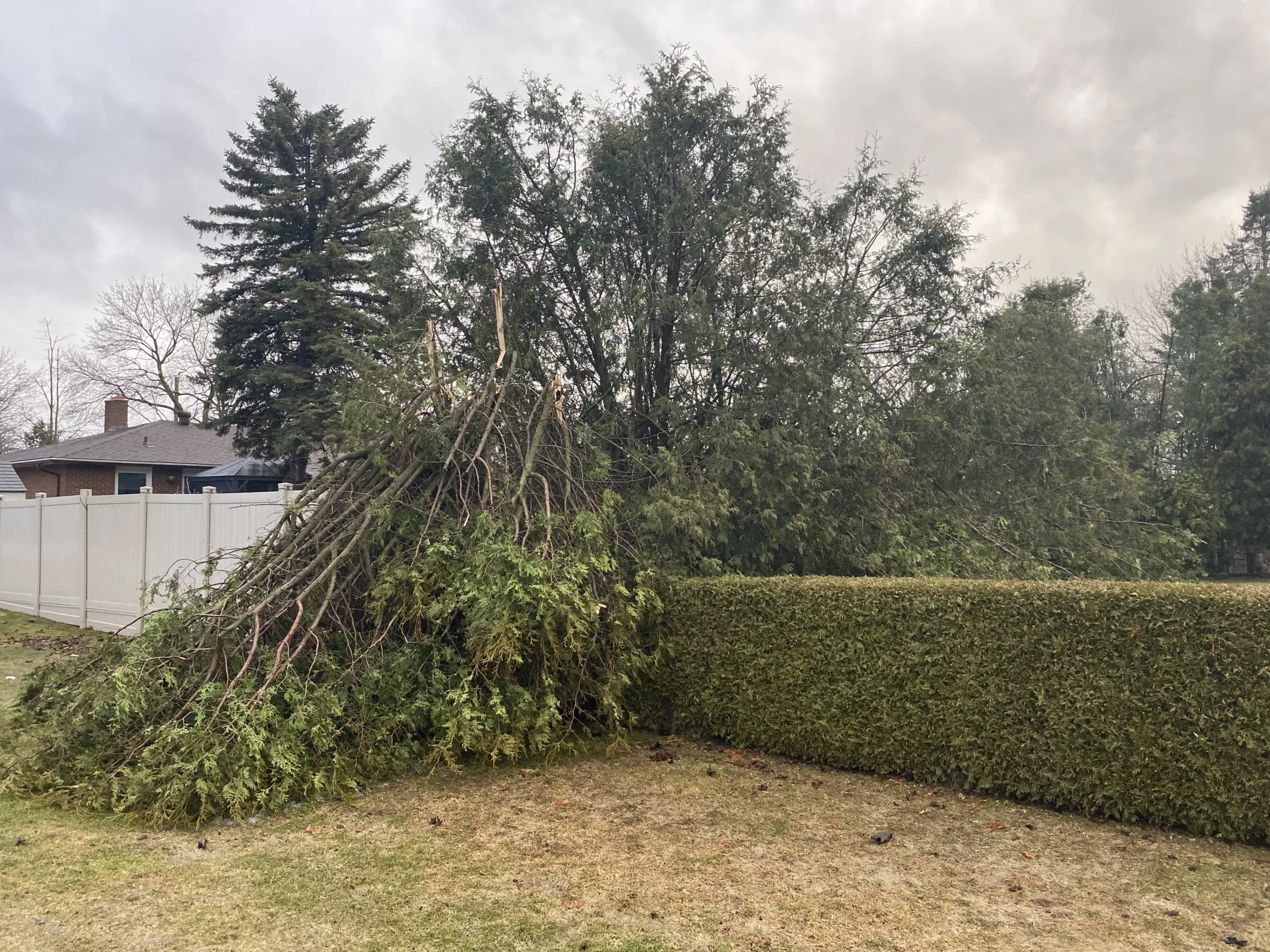
Ontario has recently experienced a significant ice storm that has caused extensive
damage to trees, properties, and power lines. This event has left many communities
grappling with the aftermath.
The accumulation of ice on tree branches and power lines led to widespread disruptions. In Ontario, over 300,000 residents faced power outages as trees and branches, burdened by the ice, collapsed onto power lines. The city of Orillia, District of Muskoka, City of Peterborough and Township of Brock have all declared a state of emergency due to hazardous road conditions, downed trees, and damaged infrastructure.
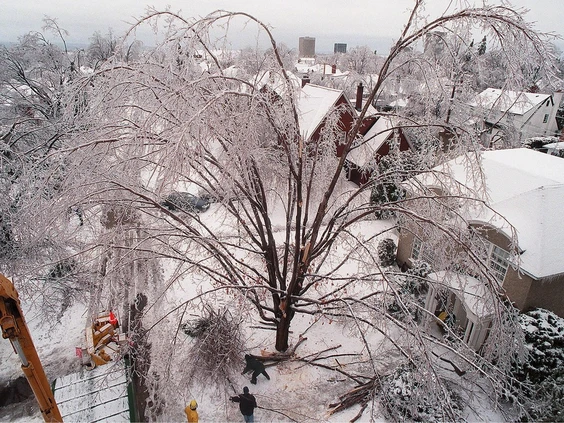
Ontario’s susceptibility to ice storms is well-documented. The 1998 ice storm, for instance, caused massive damage across eastern Ontario, including Ottawa, and southern Quebec, including Montreal. This event led to widespread power outages and significant property damage. The 2013 ice storm in Ontario, which occurred in late December, caused widespread damage across southern Ontario, including Toronto. The storm left hundreds of thousands of people without power for days, as heavy ice accumulation on trees and power lines caused branches to snap and fall, disrupting transportation and essential services. The storm also caused significant property damage and was one of the most severe ice storms in the region’s history, causing massive tree damage and losses in cities like Brampton.
Ice storms occur when freezing rain coats surfaces with a layer of ice. This accumulation adds significant weight to tree branches, often causing them to snap or bend. Extended periods of freezing or near-freezing temperatures can prolong the ice buildup. Ice buildup becomes even more damaging when followed by strong winds, as the added force of the wind can cause already weakened branches to snap and fall, exacerbating damage to trees, power lines, and property. The weight can also bring down power lines, leading to outages. Trees in urban areas are particularly vulnerable due to their proximity to power infrastructure.
For a visual overview of the recent storm’s impact, you might find this news report helpful:
If you detect ice buildup on your trees, follow these steps to determine if the ice poses a
danger to your property or trees.
1. Do NOT Shake or Hit ice-laden Branches: It might be tempting to knock the ice
off, but frozen branches are very brittle and can snap easily. Shaking ice-laden
branches can actually cause more breakage than letting the ice melt naturally.
2. Visually Assess the Weight on Branches From a Safe Distance: Visually check if
the ice has significantly weighed down branches, particularly those that are
already weak, dead, or hanging over structures, power lines, or walkways.
Heavily bent branches or those in close proximity to buildings should be
considered higher risk and should be reported to the appropriate authorities. If
appropriate, place a barrier or caution tape around the danger zone to help divert
foot traffic.
3. Keep Your Distance: Avoid standing under or near large trees with heavy ice
accumulation. Ice can bring down limbs or even entire trees without warning.
4. Visually Inspect for Cracks or Splits From a Safe Distance: Inspect the branches
for any visible cracks, splits, or signs of stress. If branches are visibly damaged
or if there are sudden bends, the tree is more likely to experience breakage.
5. Evaluate Surrounding Environment: Consider any nearby structures, vehicles, or
pathways that could be impacted if branches or the tree itself falls. Take note of
the location of (and distance to) power lines, which could also be at risk of
damage and report to the appropriate authorities.
6. Monitor Weather Conditions: Pay attention to upcoming forecasts. Winds or
additional ice could increase the risk, especially if branches are already under
significant stress.
7. Call a Professional Arborist: If in doubt, it’s always safest to contact an ISA
Certified Arborist. At Beautiful Trees Inc., our ISA Certified Arborists can assess
the situation and provide guidance on whether the tree needs immediate
attention or pruning to reduce the risk of damage.
8. Wait it Out: If there are no immediate risks to persons, essential services or
property, you can wait for the ice to melt naturally. Once everything is thawed,
assess the damage. Broken or cracked branches should be pruned properly
using clean, sharp tools at the appropriate distance to the branch collar. It is
advisable to only remove what is necessary to facilitate rapid healing or prevent
hazards or disease/insect infestation. Failing to prune damaged branches often
leads to the unnecessary introduction of pathogens and pests and can be
avoided by proper pruning by a trained, experienced arborist.
1. Tree Maintenance: Regular pruning can remove weak or dead branches that are more susceptible to breaking under ice accumulation or other storm damage conditions.
2. Plant Selection: Choose tree species that are more resilient to ice storms and
other types of storm conditions to reduce potential damage. When planting trees near high-use areas such as parks, parking lots, play areas or near buildings, AVOID fast-growing, weak-wooded tree species such as:
3. Community Planning: Municipalities should assess urban forests and prioritize
the removal of high-risk trees near power lines.
4. Emergency Preparedness: Residents should have emergency kits ready and
stay informed about weather forecasts during winter months.
Be Informed and Stay Safe The recent ice storm serves as a stark reminder of the vulnerabilities inherent in
Ontario’s climate. By understanding the effects of such storms and proactively
addressing potential risks, communities can better prepare for and mitigate the impacts of future events. To inspect your beautiful trees for storm impact or storm prevention,
please CONTACT US for your free on-site estimate.
Contact Us Today for Quality, Professional, and Experienced Tree care. Where you and your green space are our number one priority.

Caledon’s Tree Preservation By-law (2025-101) is now in effect. Learn which private trees need a removal permit (30 cm+ DBH), key exemptions, and how to apply.


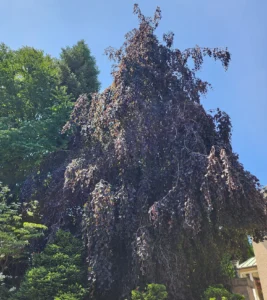
Beech Leaf Disease is spreading in Ontario, threatening native and ornamental beech trees. Learn how to identify BLD, what to do if you spot symptoms, and what treatment options are available to protect your property’s trees.
Discover professional tree planting tips from certified arborists Jen Llewellyn and Johl Anderson on the Beautiful Trees podcast. Get step-by-step guidance for planting trees that thrive in Ontario’s landscape.